



PROSPECTING + CRM + OUTREACH AGENT
AI for Partnerships
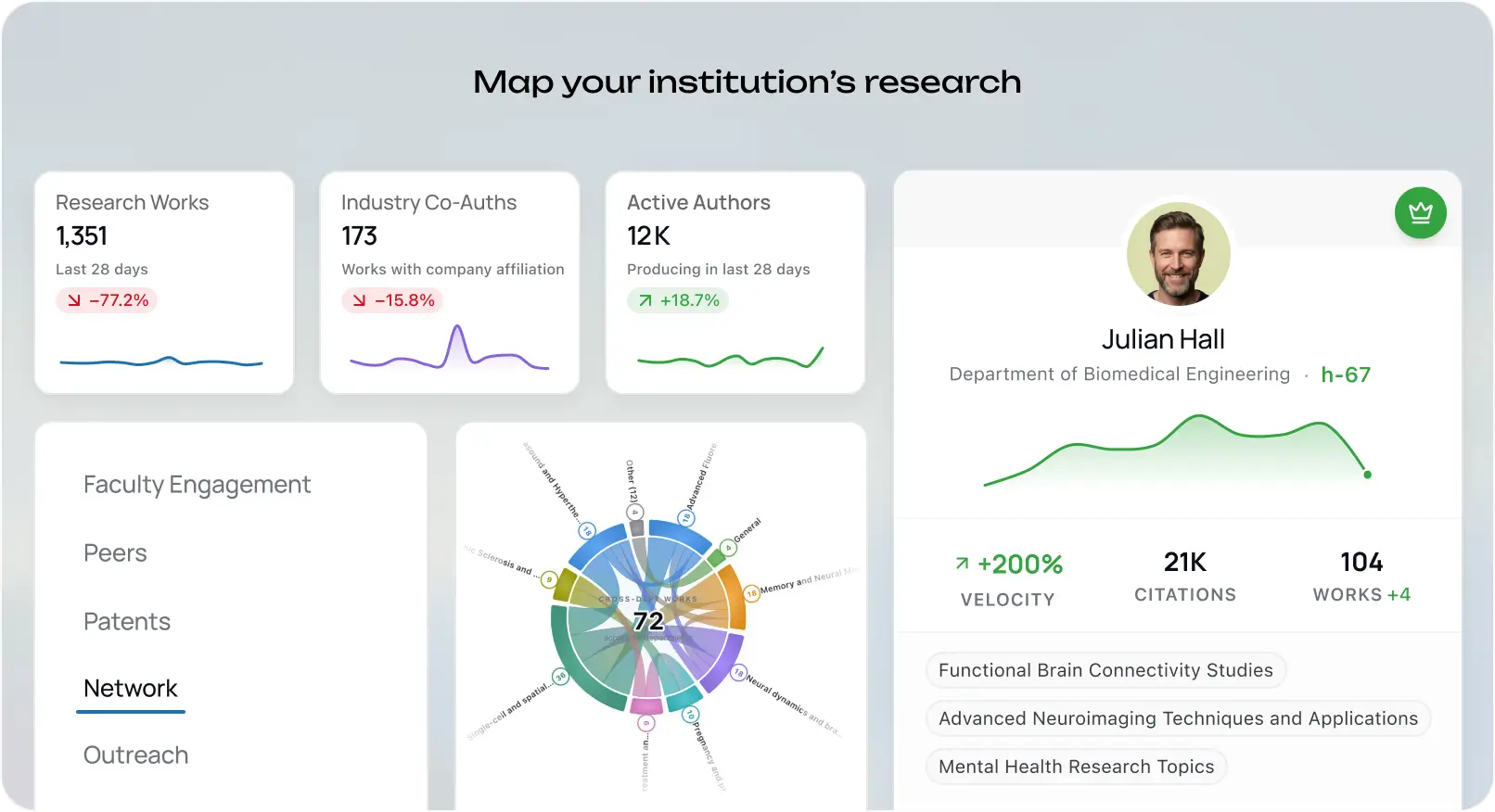
FirstIgnite is the all-in-one business development platform for impact-driven organizations, combining prospecting, outreach, and data management to accelerate meaningful partnerships.


Trusted by the world's top institutions
.avif)
.avif)






No items found.
Why FirstIgnite
Everything You Need to Build More High-Impact Partnerships

Prospecting Automation
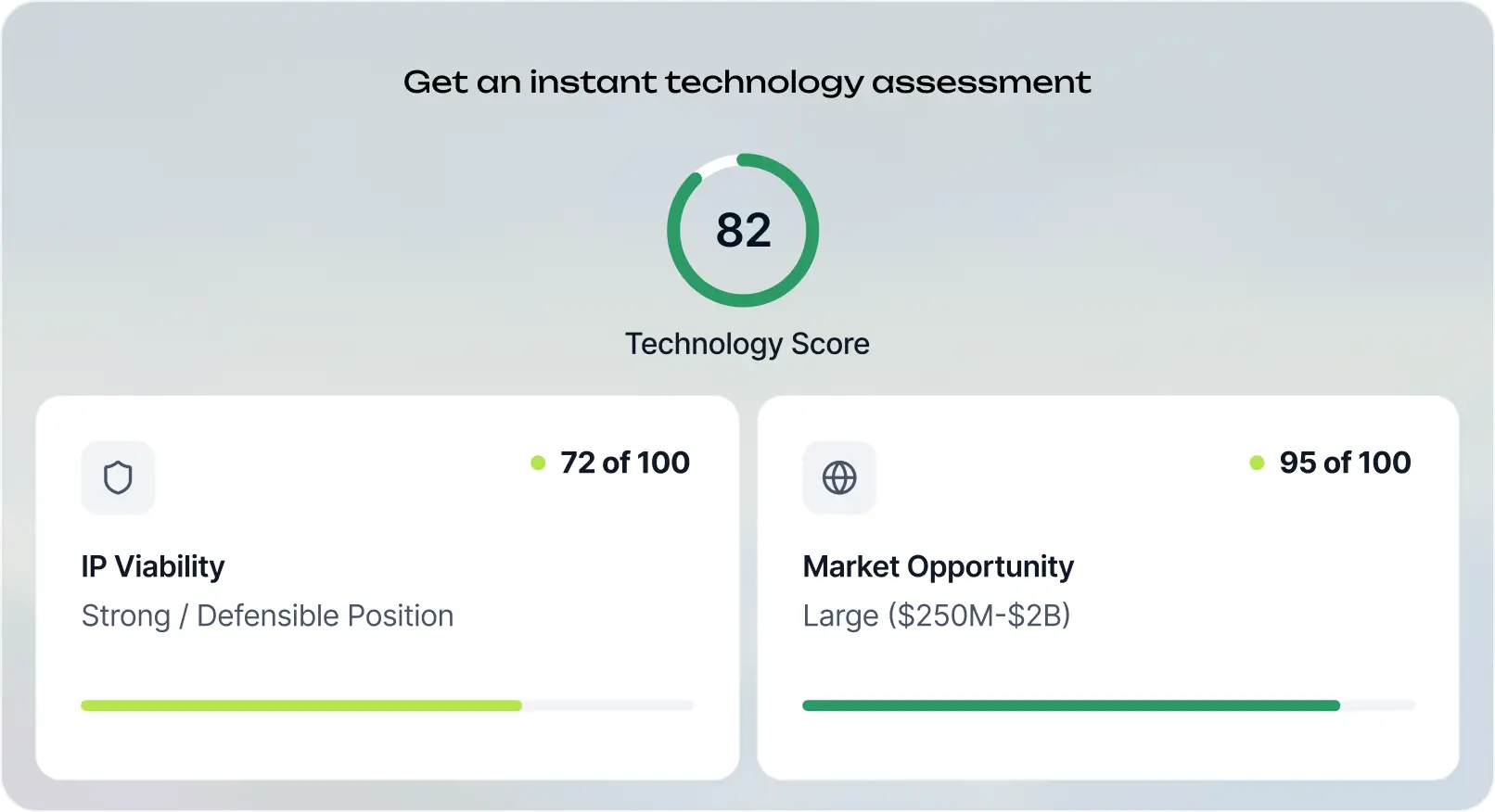
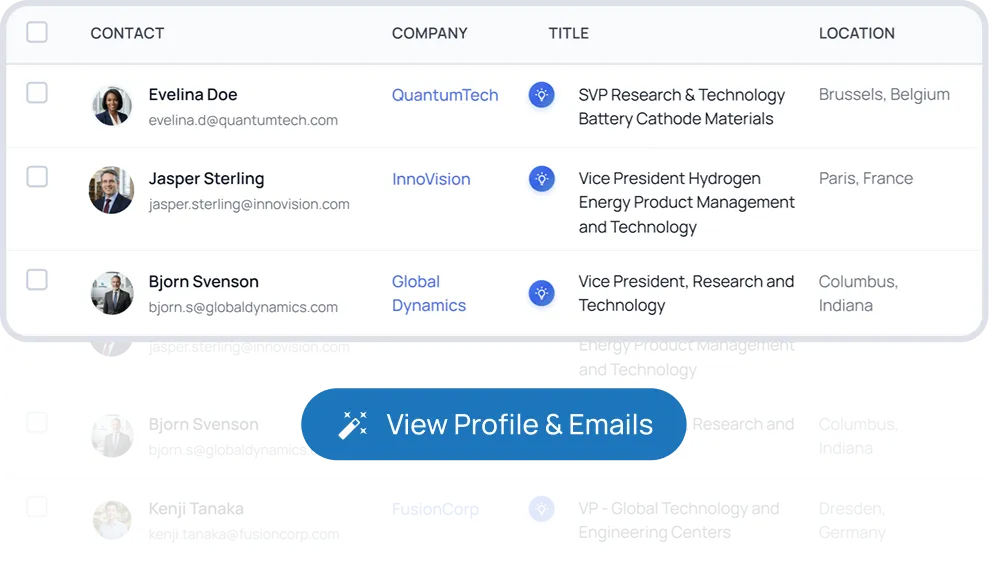
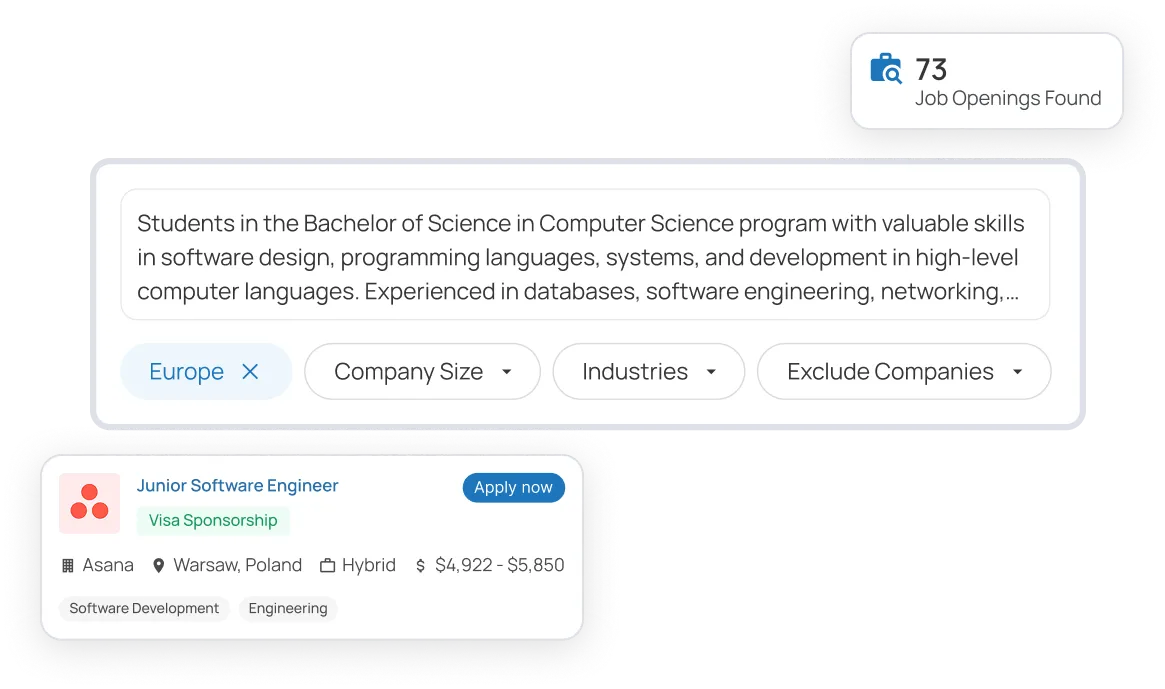
FirstIgnite automates the discovery of high-potential partners by continuously scanning companies, individuals, and opportunities aligned to your mission. Spend less time researching and more time engaging the right prospects.

Revenue Generation
Uncover new sources of research funding, philanthropy, and licensing revenue. FirstIgnite helps teams build a stronger pipeline, prioritize high-value opportunities, and convert partnerships into measurable outcomes.

Data Intelligence
Centralize and enrich partnership data in one intelligent platform. FirstIgnite transforms fragmented information into actionable insights—so teams can make smarter decisions, track progress, and scale what works.

OUR SUITE
Three Products. One Partnership Platform.
FirstIgnite, Ltd delivers AI-powered prospecting, agentic outreach, and partnership data management—giving impact-driven organizations everything they need to grow meaningful partnerships.

Prospecting
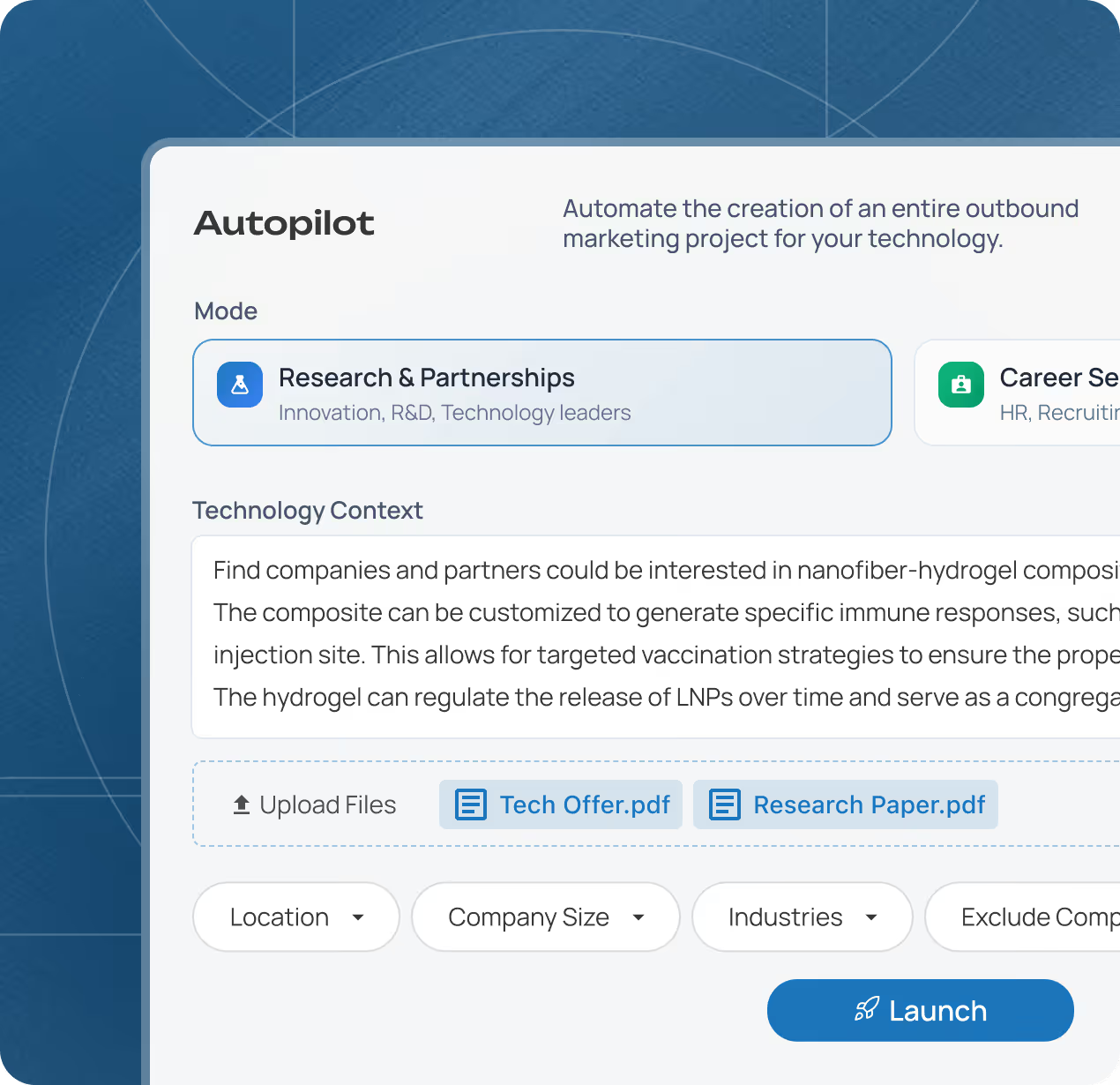
AI-Powered Prospecting
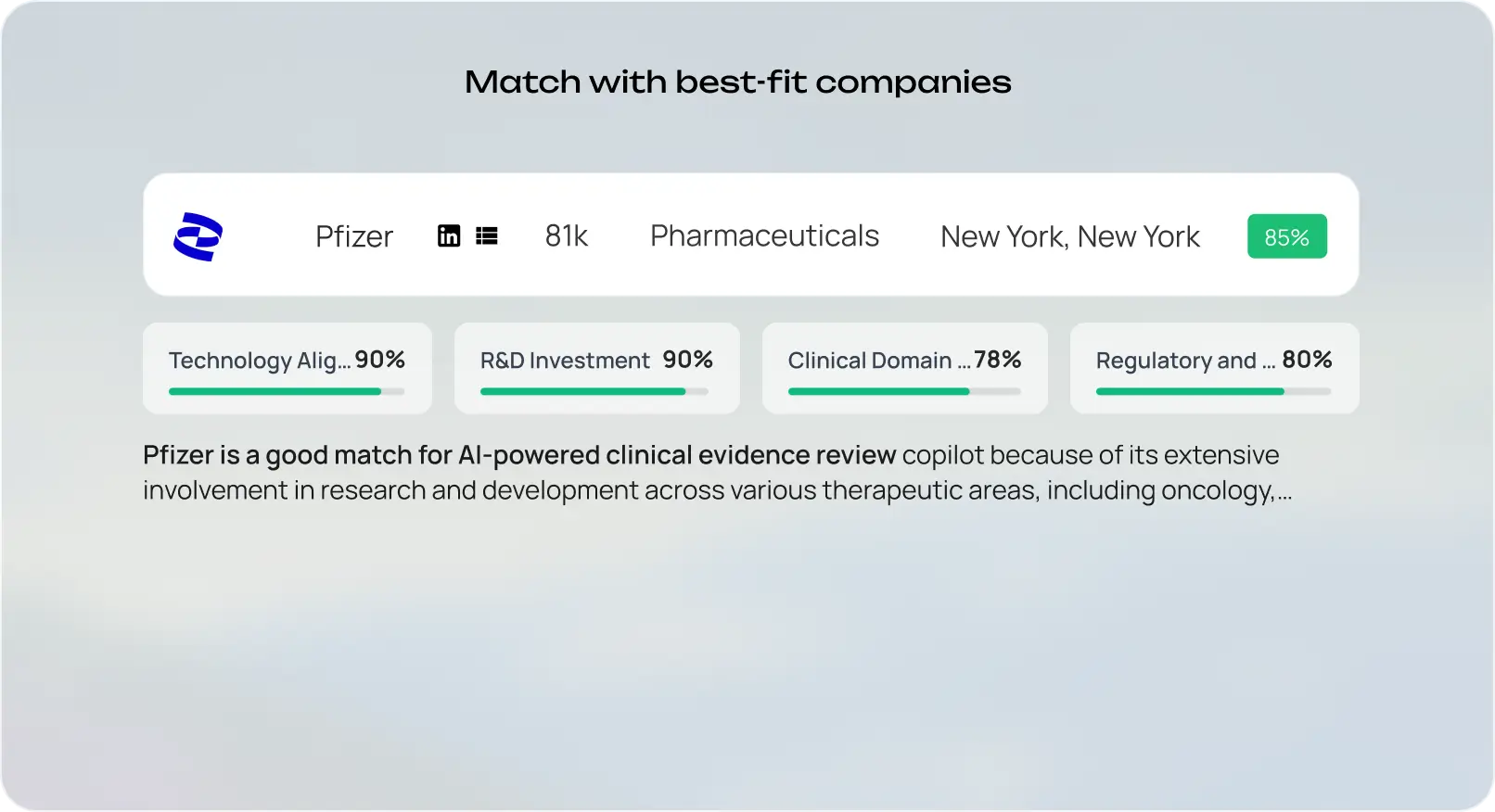
Explore and qualify potential partners using powerful search, filters, and enrichment—giving teams control over who they pursue while dramatically reducing research time.

AI Agents
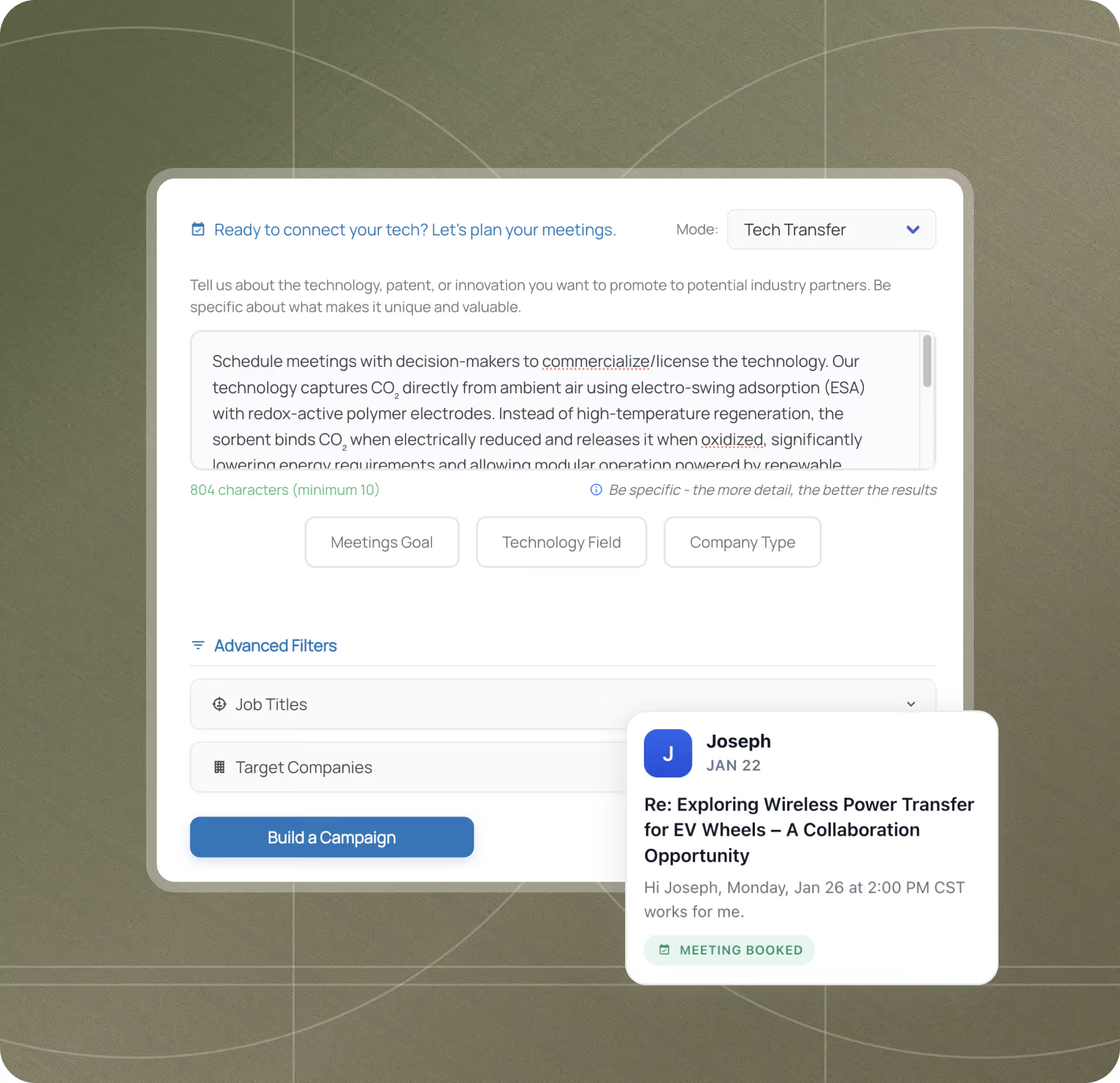
AI-Driven Outreach at Scale
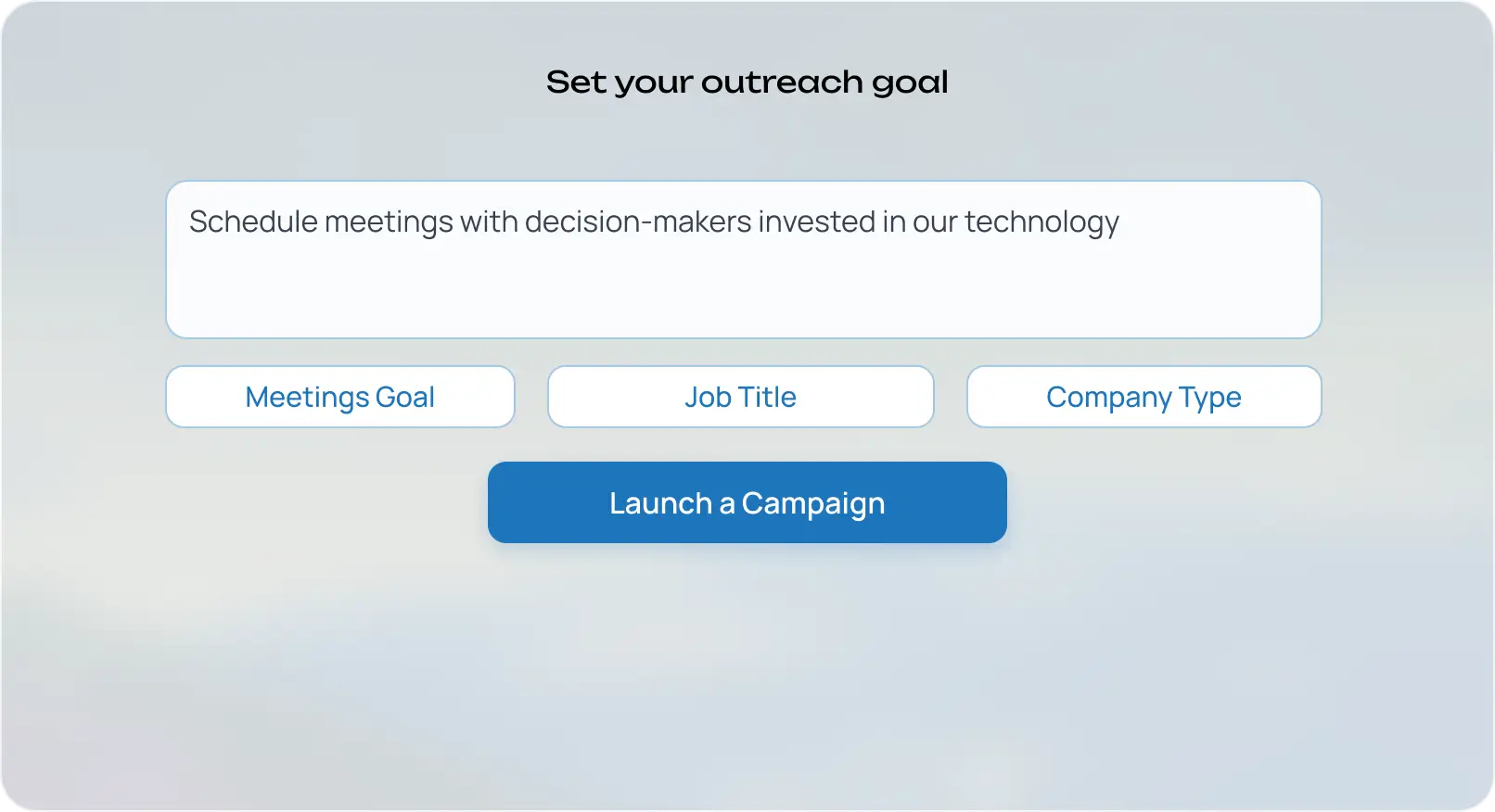
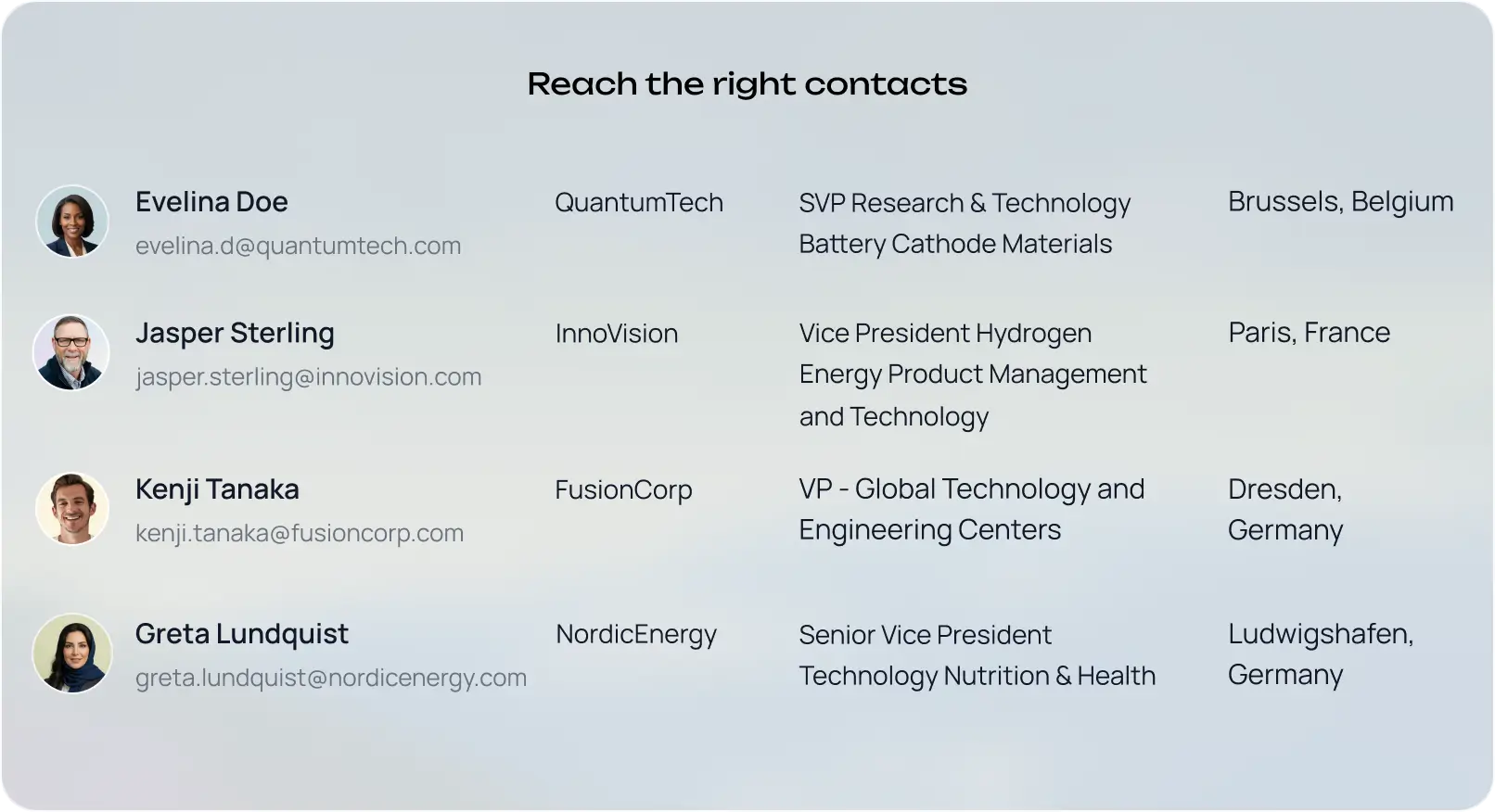
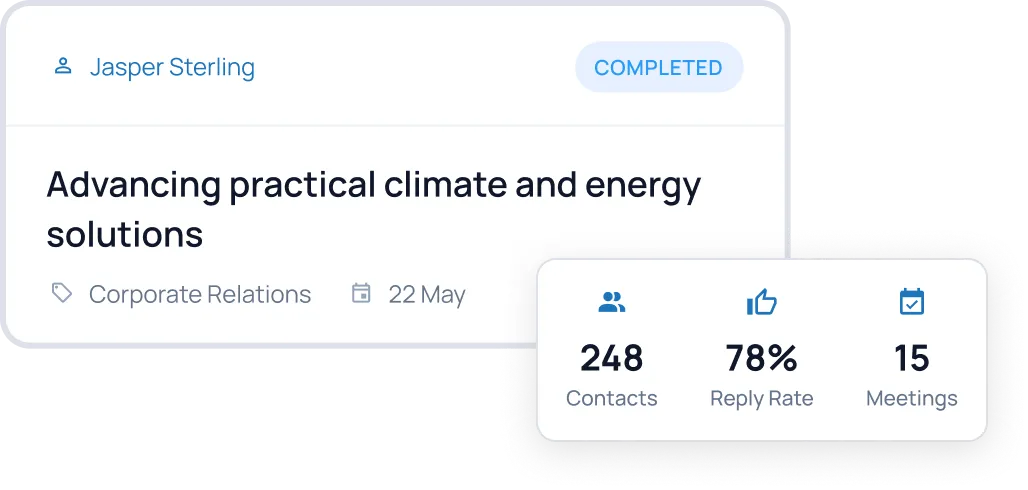
AI agents personalize outreach, manage follow-ups, and schedule meetings automatically—turning warm interest into booked conversations without manual back-and-forth.

CRM
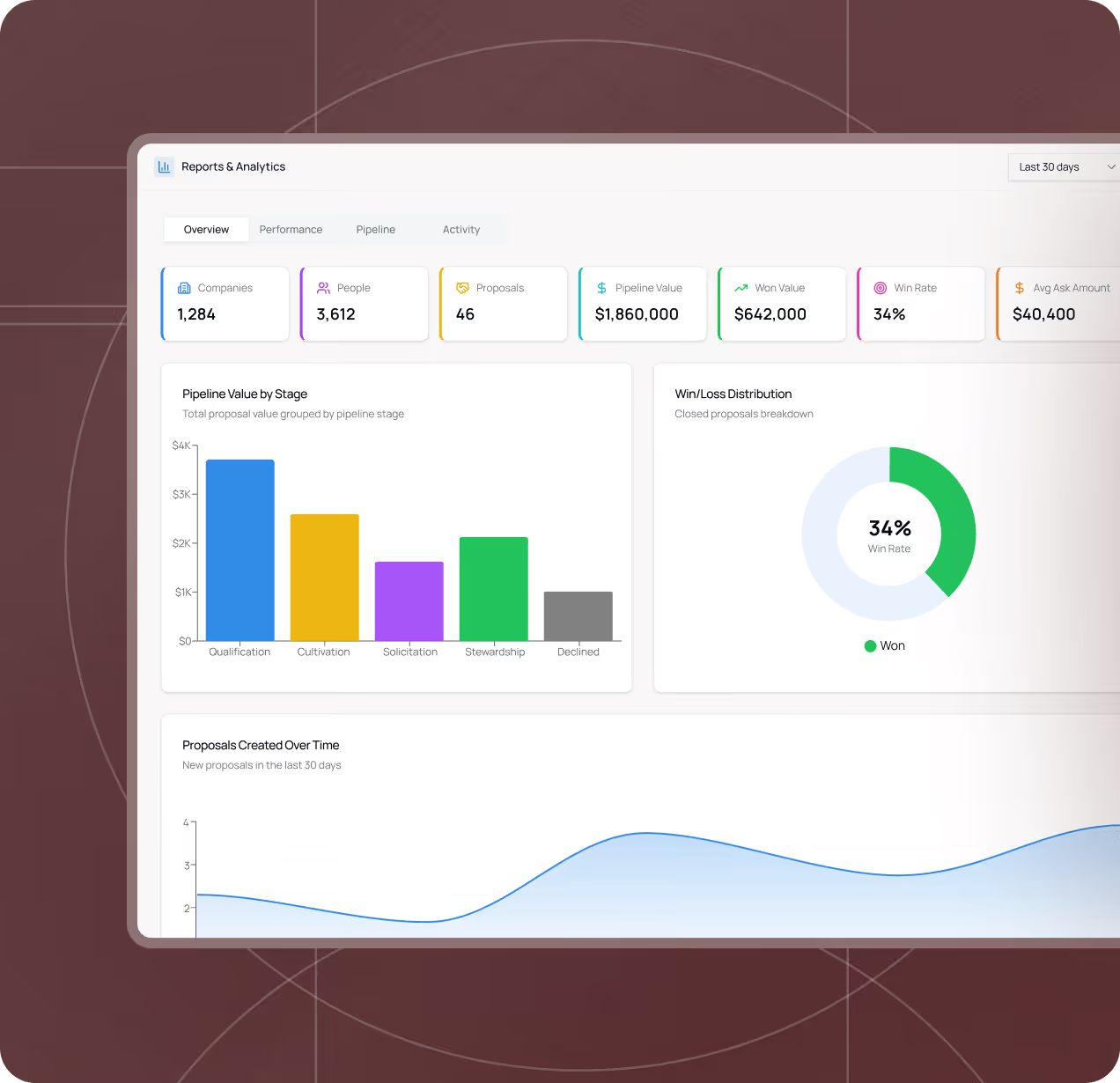
Partnership Data Management
A CRM purpose-built for partnerships. Centralize contacts, track relationship history, and manage opportunities with clean, structured data across teams.
Measurable Impact After One Year With FirstIgnite
3×
More Partnerships
Better prospecting, faster outreach, and centralized data lead to more conversations and significantly more active partnerships.
350%
Increase in Email Outreach
Outreach enables teams to engage more prospects with personalized messaging—without adding headcount.
30m
Live
From starting a subscription to successfully reaching out to a company—teams can be active on FirstIgnite in as little as 30 minutes.

How You Can Use FirstIgnite
Built for Every Partnership Team
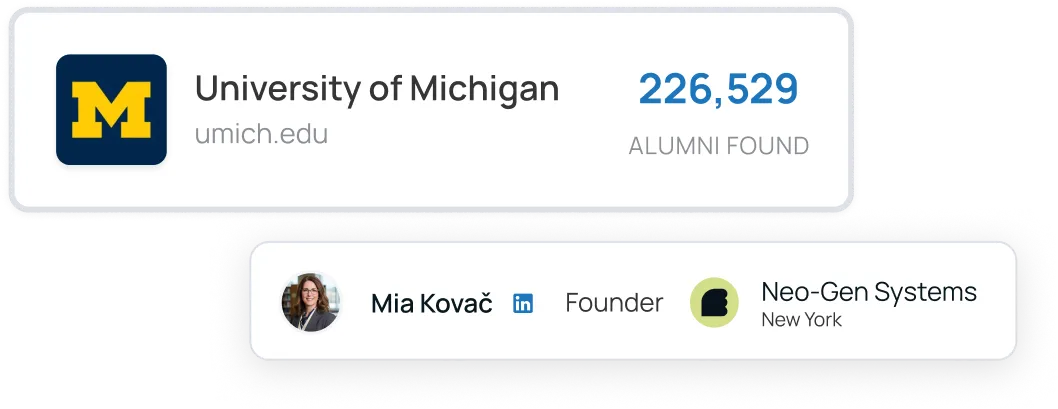
FirstIgnite supports the unique goals of teams across universities, hospitals, and mission-driven organizations—helping each group discover, engage, and manage the right partners.





Our Partnership Approach
Your Goals, Our Priority
At FirstIgnite, we’re committed to helping you achieve your research, innovation, and business development objectives. From onboarding to ongoing support, we provide tailored guidance, share insights, and deliver solutions that drive measurable outcomes.



RESOURCES
Insights on Partnerships, AI, and Innovation
Explore stories, analysis, and perspectives on how organizations use AI to build industry connections and accelerate real-world impact.
Blog
July 30, 2026
•
xx
MIN READ
University-industry partnerships have never been more important. As universities face growing pressure to diversify funding, demonstrate research impact, and accelerate innovation, collaboration with industry has become a strategic priority rather than a nice-to-have.
Yet building these partnerships remains one of the most resource-intensive challenges universities face. Relationship building has traditionally relied on personal networks, manual research, and reactive outreach, making it difficult to scale across thousands of researchers and millions of potential industry collaborators.
Artificial intelligence is changing that.
Rather than replacing relationship building, AI is helping universities become more strategic, proactive, and data-driven in how they identify, prioritize, and develop industry partnerships.
The Challenge with Traditional Partnership Development
Most university partnership teams are working with limited staff while supporting hundreds or even thousands of faculty members.
As a result, partnership development often looks like this:
- Waiting for faculty to request industry support
- Relying on existing corporate relationships
- Spending hours researching companies manually
- Missing emerging market opportunities
- Reacting to partnership requests instead of creating them
This reactive model limits both the number and quality of partnerships universities can pursue.
AI Helps Universities Find the Right Partners Faster
One of AI's biggest advantages is its ability to analyze enormous amounts of information in minutes.
Instead of manually searching through company websites, publications, patents, funding announcements, and industry news, AI can identify organizations that align with a university's research strengths almost instantly.
Rather than simply generating long lists of companies, modern AI platforms evaluate factors such as:
- Research alignment
- Technology interests
- Innovation priorities
- Previous university collaborations
- Geographic strategy
- Commercial relevance
This allows partnership teams to spend less time searching and more time building meaningful relationships.
Moving from Reactive to Proactive Engagement
Perhaps the biggest shift AI enables is moving universities from reactive engagement to proactive outreach.
Instead of waiting for opportunities to appear, teams can proactively identify:
- Companies investing in relevant technologies
- Emerging industries aligned with faculty expertise
- Organizations hiring in strategic research areas
- Businesses filing patents related to university discoveries
- Companies expanding R&D initiatives
This gives partnership teams a continuous pipeline of potential collaborations rather than relying on inbound interest alone.
Supporting Faculty at Scale
Faculty are at the center of successful university-industry partnerships, but many researchers are unaware of the companies that could benefit from their work.
AI makes it easier for partnership offices to support researchers by automatically surfacing relevant opportunities based on their publications, patents, and areas of expertise.
Instead of generic recommendations, universities can provide researchers with highly targeted partnership suggestions that are aligned with their work.
This creates more productive conversations and helps faculty see the value of engaging with industry earlier in the research lifecycle.
Better Data Leads to Better Decisions
Partnership teams generate enormous amounts of data across meetings, outreach efforts, company interactions, and research activities.
Without AI, much of this information remains disconnected across spreadsheets, CRMs, email inboxes, and institutional systems.
AI helps connect these data sources to answer questions like:
- Which companies are already engaged across campus?
- Which relationships are growing?
- Which industries are underrepresented?
- Where are the strongest commercialization opportunities?
- Which faculty have high industry engagement potential?
Instead of relying on intuition, universities can make partnership decisions based on real-time insights.
Strengthening Long-Term Relationships
Successful partnerships don't end after the first meeting.
AI can help institutions maintain momentum by tracking engagement, identifying follow-up opportunities, recommending next actions, and highlighting new developments within partner organizations.
This allows partnership managers to spend more time having meaningful conversations and less time managing administrative tasks.
The result is stronger, longer-lasting relationships built on timely engagement.
AI Will Not Replace Human Relationships
One of the biggest misconceptions about AI is that it replaces relationship management.
It doesn't.
Successful university-industry partnerships will always depend on trust, shared goals, and human collaboration.
AI simply removes much of the manual work that prevents partnership professionals from focusing on those relationships.
By automating research, surfacing opportunities, and organizing information, AI gives teams more time to do what they do best: connect people and build partnerships that create real impact.
The Future of University Partnerships Is Intelligence-Driven
As competition for industry collaboration continues to grow, universities that rely solely on traditional partnership development methods risk falling behind.
The future belongs to institutions that can combine human expertise with AI-powered intelligence to identify opportunities earlier, engage researchers more effectively, and build stronger industry relationships.
AI isn't changing the importance of university-industry partnerships. It's changing how universities discover, develop, and scale them.
For institutions looking to increase research impact, expand corporate engagement, and accelerate commercialization, AI is quickly becoming an essential part of the partnership strategy.
See How FirstIgnite Helps Universities Build Better Partnerships
FirstIgnite helps universities proactively identify industry partners, uncover collaboration opportunities, engage faculty, and manage relationships with AI-powered intelligence.
If you're ready to modernize your university-industry partnership strategy, book a demo to see how FirstIgnite can help your team discover more opportunities and build stronger partnerships.

Blog
The Outreach Gap: Why Great Research Doesn't Always Reach the Right Industry Partners
July 28, 2026
•
xx
MIN READ
Universities produce groundbreaking research every day. But breakthrough innovation doesn't create impact unless it reaches the organizations that can bring it to market.
Every year, universities invest billions of dollars in research. New discoveries emerge across engineering, healthcare, agriculture, energy, AI, and countless other disciplines. Yet despite the strength of this innovation pipeline, many promising technologies never find the right commercial partner.
The challenge isn't always the quality of the research.
It's the quality of the outreach.
Great Technologies Don't Sell Themselves
Technology transfer professionals know that commercialization is rarely about waiting for companies to discover a patent.
Successful commercialization happens because someone identifies the right partner, understands their strategic priorities, initiates a conversation, and nurtures that relationship over time.
The difficulty is scale.
A single technology transfer office may manage hundreds of active disclosures while thousands of companies could represent potential licensing or research partners. Finding the right fit requires more than searching LinkedIn or relying on existing contacts.
Without a scalable outreach strategy, excellent research often remains undiscovered.
The Cost of the Outreach Gap
Every missed connection represents more than a lost licensing opportunity.
It can mean:
- Delayed commercialization
- Missed sponsored research opportunities
- Fewer startup collaborations
- Reduced industry engagement
- Less societal impact from publicly funded research
Faculty may assume there isn't market interest when, in reality, the right companies were simply never identified.
Industry leaders may never realize a solution exists because no one reached out.
The innovation is there.
The connection isn't.
Why Traditional Outreach Doesn't Scale
Many commercialization teams still rely on manual workflows.
An analyst searches for companies.
Someone builds a spreadsheet.
Outreach emails are sent individually.
Responses are tracked across inboxes.
New discoveries restart the entire process.
This approach worked when portfolios were smaller. Today's innovation ecosystems demand something different.
Commercialization teams aren't short on expertise.
They're short on time.
Smarter Outreach Starts with Better Intelligence
The most effective outreach isn't about contacting more companies.
It's about contacting the right companies.
That requires understanding:
- Which organizations are actively investing in a specific technology area
- Existing university relationships with those companies
- Prior licensing or sponsored research activity
- Strategic initiatives and business priorities
- Decision-makers most likely to engage
When this intelligence is available before outreach begins, conversations become more relevant, personalized, and productive.
Instead of casting a wide net, commercialization teams can focus their efforts where they have the highest likelihood of success.
AI Is Closing the Gap
Artificial intelligence is changing how universities identify and engage industry partners.
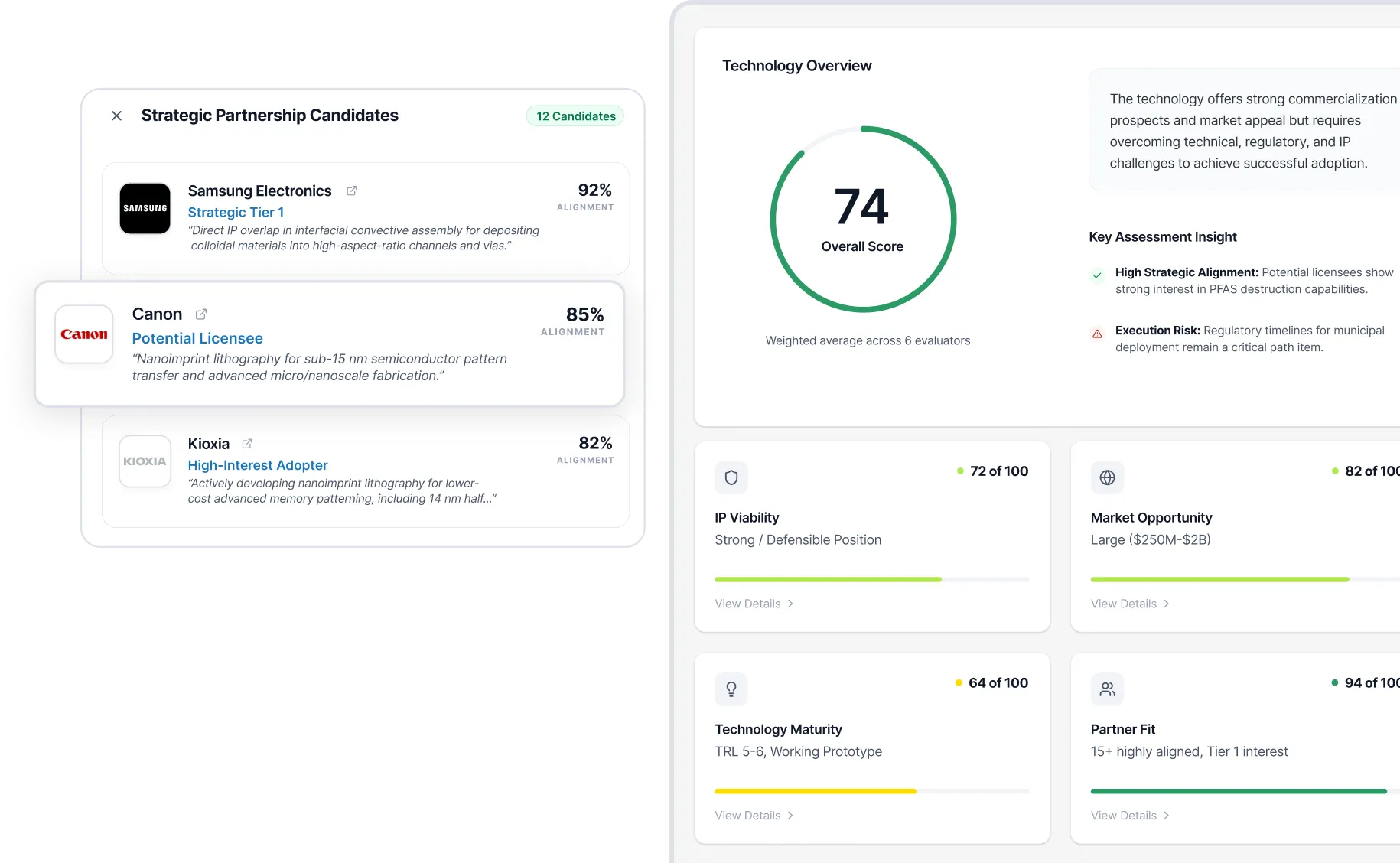
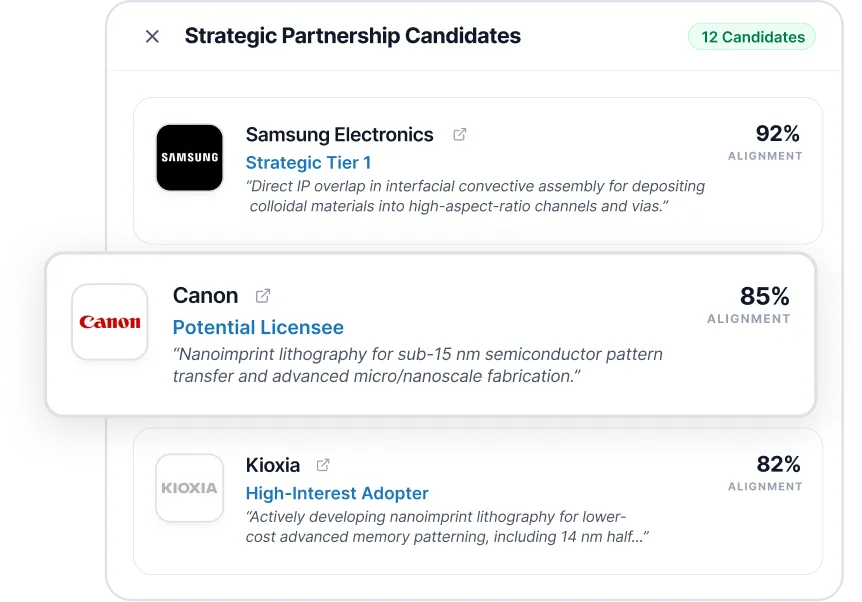
Rather than spending days researching potential licensees, AI can analyze technologies, identify organizations with strong commercial alignment, surface existing institutional relationships, and recommend the next best opportunities.
This doesn't replace business development.
It amplifies it.
Technology transfer professionals still build the relationships. AI simply removes the manual research that has traditionally slowed the process.
The result is faster outreach, stronger conversations, and more opportunities for commercialization.
Outreach Is No Longer Just About Finding Companies
The institutions seeing the greatest commercialization success aren't simply sending more emails.
They're building repeatable systems for identifying opportunities, coordinating engagement across campus, and continuously expanding their network of industry partners.
Outreach has evolved from a tactical activity into a strategic capability.
Universities that embrace data-driven relationship intelligence will be better positioned to accelerate licensing, sponsored research, startups, and long-term industry collaboration.
Because great research deserves more than publication.
It deserves the right partner.
Close the Outreach Gap with FirstIgnite
Finding the right industry partners shouldn't depend on manual research and disconnected spreadsheets.
Book a personalized demo with FirstIgnite to see how AI-powered market intelligence, relationship intelligence, and automated partner discovery help universities identify the best-fit companies, streamline outreach, and accelerate research commercialization.
Blog
Beyond Contact Management: Why Research Commercialization Needs a Smarter CRM Strategy
July 23, 2026
•
xx
MIN READ
Universities don't struggle with a lack of relationships. They struggle with making sense of them.
Every technology transfer office, corporate engagement team, research development office, and advancement department is managing hundreds or even thousands of interactions with companies, investors, faculty, entrepreneurs, and funding organizations. Yet many institutions still rely on CRMs built to store contacts instead of helping teams build strategic partnerships.
As research commercialization becomes increasingly collaborative and data-driven, traditional CRM systems are falling behind.
The Problem with Traditional CRMs
Most CRM platforms were designed for sales teams. Their purpose is simple: track prospects, log activities, and move opportunities through a pipeline.
University innovation ecosystems work differently.
Commercialization isn't a linear sales process. A single company might:
- Sponsor research in one department
- License technology from another
- Recruit students on campus
- Employ alumni
- Donate through advancement
- Participate in an accelerator or innovation program
These relationships rarely live in one place. Instead, they're scattered across spreadsheets, inboxes, disconnected CRMs, and individual staff knowledge.
When relationship intelligence is fragmented, opportunities are missed.
Commercialization Depends on Context
The most valuable question isn't "Who is this company?"
It's "How is our institution already connected to them?"
Before reaching out to a potential licensing partner, teams should know:
- Which faculty members have existing relationships
- Previous meetings across departments
- Past sponsored research agreements
- Licensing history
- Alumni connections
- Corporate giving activity
- Existing collaborations underway
Without this context, outreach becomes slower, less personalized, and less likely to succeed.
With it, every conversation starts from a position of strength.
Relationship Intelligence Creates Better Decisions
Research commercialization requires dozens of strategic decisions every week.
Which companies are the best licensing candidates?
Who should we introduce this faculty member to?
Which organizations are already engaged elsewhere across campus?
Where should our business development team focus next?
A modern CRM should answer these questions automatically, not require hours of manual research.
Instead of simply recording activity, the platform should surface opportunities, identify hidden connections, and recommend the next best action.
That's the difference between managing contacts and managing relationships.
AI Is Changing the Role of the CRM
Artificial intelligence is transforming commercialization workflows, but its impact depends on the quality of the underlying data.
If institutional knowledge lives in disconnected systems, AI has limited context to work with.
When relationship data, engagement history, market intelligence, and commercialization activity are connected, AI becomes significantly more valuable. Teams can identify partnership opportunities faster, prioritize outreach more effectively, and make better-informed decisions without adding administrative work.
The future of CRM isn't about replacing relationship managers.
It's about giving them the intelligence they need to spend more time building partnerships and less time searching for information.
A CRM Built for University Partnerships
Universities need more than another database.
They need a platform designed around how research commercialization actually happens.
That means connecting people, technologies, companies, projects, funding opportunities, and institutional knowledge into a single ecosystem that helps every team make smarter decisions.
When relationship intelligence becomes accessible across the institution, commercialization accelerates naturally. Teams collaborate more effectively, outreach becomes more strategic, and opportunities that once remained hidden become visible.
The institutions leading the next decade of innovation won't simply have more contacts.
They'll have a better understanding of their relationships.
Ready to Modernize Your Commercialization Strategy?
If your team is still using a CRM built for traditional sales instead of university partnerships, it may be time for a different approach.
Book a personalized demo with FirstIgnite to see how a CRM purpose-built for higher education helps you uncover existing relationships, coordinate engagement across campus, and identify new commercialization opportunities with AI-powered relationship intelligence.