



RESOURCES
Insights on Partnerships, AI, and Innovation
FirstIgnite delivers AI-powered prospecting, agentic outreach, and partnership data management—giving impact-driven organizations everything they need to grow meaningful partnerships.

Blogs
See how universities are using AI Agents to automate industry outreach, schedule meetings in days, and scale partnerships without manual effort.
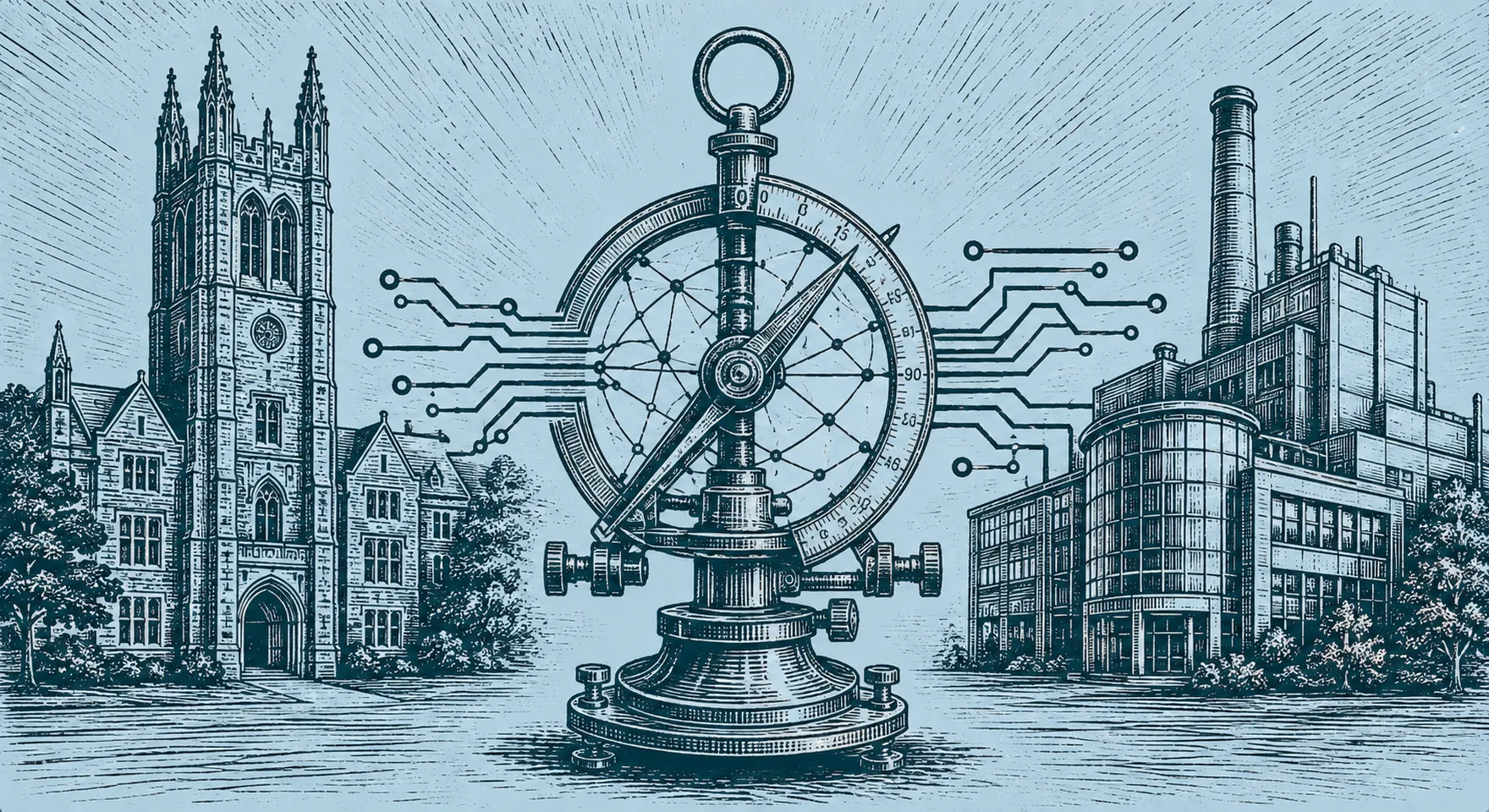
Connecting Industry & Academia
Blogs
July 30, 2026
•
xx
MIN READ
University-industry partnerships have never been more important. As universities face growing pressure to diversify funding, demonstrate research impact, and accelerate innovation, collaboration with industry has become a strategic priority rather than a nice-to-have.
Yet building these partnerships remains one of the most resource-intensive challenges universities face. Relationship building has traditionally relied on personal networks, manual research, and reactive outreach, making it difficult to scale across thousands of researchers and millions of potential industry collaborators.
Artificial intelligence is changing that.
Rather than replacing relationship building, AI is helping universities become more strategic, proactive, and data-driven in how they identify, prioritize, and develop industry partnerships.
The Challenge with Traditional Partnership Development
Most university partnership teams are working with limited staff while supporting hundreds or even thousands of faculty members.
As a result, partnership development often looks like this:
- Waiting for faculty to request industry support
- Relying on existing corporate relationships
- Spending hours researching companies manually
- Missing emerging market opportunities
- Reacting to partnership requests instead of creating them
This reactive model limits both the number and quality of partnerships universities can pursue.
AI Helps Universities Find the Right Partners Faster
One of AI's biggest advantages is its ability to analyze enormous amounts of information in minutes.
Instead of manually searching through company websites, publications, patents, funding announcements, and industry news, AI can identify organizations that align with a university's research strengths almost instantly.
Rather than simply generating long lists of companies, modern AI platforms evaluate factors such as:
- Research alignment
- Technology interests
- Innovation priorities
- Previous university collaborations
- Geographic strategy
- Commercial relevance
This allows partnership teams to spend less time searching and more time building meaningful relationships.
Moving from Reactive to Proactive Engagement
Perhaps the biggest shift AI enables is moving universities from reactive engagement to proactive outreach.
Instead of waiting for opportunities to appear, teams can proactively identify:
- Companies investing in relevant technologies
- Emerging industries aligned with faculty expertise
- Organizations hiring in strategic research areas
- Businesses filing patents related to university discoveries
- Companies expanding R&D initiatives
This gives partnership teams a continuous pipeline of potential collaborations rather than relying on inbound interest alone.
Supporting Faculty at Scale
Faculty are at the center of successful university-industry partnerships, but many researchers are unaware of the companies that could benefit from their work.
AI makes it easier for partnership offices to support researchers by automatically surfacing relevant opportunities based on their publications, patents, and areas of expertise.
Instead of generic recommendations, universities can provide researchers with highly targeted partnership suggestions that are aligned with their work.
This creates more productive conversations and helps faculty see the value of engaging with industry earlier in the research lifecycle.
Better Data Leads to Better Decisions
Partnership teams generate enormous amounts of data across meetings, outreach efforts, company interactions, and research activities.
Without AI, much of this information remains disconnected across spreadsheets, CRMs, email inboxes, and institutional systems.
AI helps connect these data sources to answer questions like:
- Which companies are already engaged across campus?
- Which relationships are growing?
- Which industries are underrepresented?
- Where are the strongest commercialization opportunities?
- Which faculty have high industry engagement potential?
Instead of relying on intuition, universities can make partnership decisions based on real-time insights.
Strengthening Long-Term Relationships
Successful partnerships don't end after the first meeting.
AI can help institutions maintain momentum by tracking engagement, identifying follow-up opportunities, recommending next actions, and highlighting new developments within partner organizations.
This allows partnership managers to spend more time having meaningful conversations and less time managing administrative tasks.
The result is stronger, longer-lasting relationships built on timely engagement.
AI Will Not Replace Human Relationships
One of the biggest misconceptions about AI is that it replaces relationship management.
It doesn't.
Successful university-industry partnerships will always depend on trust, shared goals, and human collaboration.
AI simply removes much of the manual work that prevents partnership professionals from focusing on those relationships.
By automating research, surfacing opportunities, and organizing information, AI gives teams more time to do what they do best: connect people and build partnerships that create real impact.
The Future of University Partnerships Is Intelligence-Driven
As competition for industry collaboration continues to grow, universities that rely solely on traditional partnership development methods risk falling behind.
The future belongs to institutions that can combine human expertise with AI-powered intelligence to identify opportunities earlier, engage researchers more effectively, and build stronger industry relationships.
AI isn't changing the importance of university-industry partnerships. It's changing how universities discover, develop, and scale them.
For institutions looking to increase research impact, expand corporate engagement, and accelerate commercialization, AI is quickly becoming an essential part of the partnership strategy.
See How FirstIgnite Helps Universities Build Better Partnerships
FirstIgnite helps universities proactively identify industry partners, uncover collaboration opportunities, engage faculty, and manage relationships with AI-powered intelligence.
If you're ready to modernize your university-industry partnership strategy, book a demo to see how FirstIgnite can help your team discover more opportunities and build stronger partnerships.

Blogs
Connecting Industry & Academia
The Outreach Gap: Why Great Research Doesn't Always Reach the Right Industry Partners
July 28, 2026
•
xx
MIN READ
Universities produce groundbreaking research every day. But breakthrough innovation doesn't create impact unless it reaches the organizations that can bring it to market.
Every year, universities invest billions of dollars in research. New discoveries emerge across engineering, healthcare, agriculture, energy, AI, and countless other disciplines. Yet despite the strength of this innovation pipeline, many promising technologies never find the right commercial partner.
The challenge isn't always the quality of the research.
It's the quality of the outreach.
Great Technologies Don't Sell Themselves
Technology transfer professionals know that commercialization is rarely about waiting for companies to discover a patent.
Successful commercialization happens because someone identifies the right partner, understands their strategic priorities, initiates a conversation, and nurtures that relationship over time.
The difficulty is scale.
A single technology transfer office may manage hundreds of active disclosures while thousands of companies could represent potential licensing or research partners. Finding the right fit requires more than searching LinkedIn or relying on existing contacts.
Without a scalable outreach strategy, excellent research often remains undiscovered.
The Cost of the Outreach Gap
Every missed connection represents more than a lost licensing opportunity.
It can mean:
- Delayed commercialization
- Missed sponsored research opportunities
- Fewer startup collaborations
- Reduced industry engagement
- Less societal impact from publicly funded research
Faculty may assume there isn't market interest when, in reality, the right companies were simply never identified.
Industry leaders may never realize a solution exists because no one reached out.
The innovation is there.
The connection isn't.
Why Traditional Outreach Doesn't Scale
Many commercialization teams still rely on manual workflows.
An analyst searches for companies.
Someone builds a spreadsheet.
Outreach emails are sent individually.
Responses are tracked across inboxes.
New discoveries restart the entire process.
This approach worked when portfolios were smaller. Today's innovation ecosystems demand something different.
Commercialization teams aren't short on expertise.
They're short on time.
Smarter Outreach Starts with Better Intelligence
The most effective outreach isn't about contacting more companies.
It's about contacting the right companies.
That requires understanding:
- Which organizations are actively investing in a specific technology area
- Existing university relationships with those companies
- Prior licensing or sponsored research activity
- Strategic initiatives and business priorities
- Decision-makers most likely to engage
When this intelligence is available before outreach begins, conversations become more relevant, personalized, and productive.
Instead of casting a wide net, commercialization teams can focus their efforts where they have the highest likelihood of success.
AI Is Closing the Gap
Artificial intelligence is changing how universities identify and engage industry partners.
Rather than spending days researching potential licensees, AI can analyze technologies, identify organizations with strong commercial alignment, surface existing institutional relationships, and recommend the next best opportunities.
This doesn't replace business development.
It amplifies it.
Technology transfer professionals still build the relationships. AI simply removes the manual research that has traditionally slowed the process.
The result is faster outreach, stronger conversations, and more opportunities for commercialization.
Outreach Is No Longer Just About Finding Companies
The institutions seeing the greatest commercialization success aren't simply sending more emails.
They're building repeatable systems for identifying opportunities, coordinating engagement across campus, and continuously expanding their network of industry partners.
Outreach has evolved from a tactical activity into a strategic capability.
Universities that embrace data-driven relationship intelligence will be better positioned to accelerate licensing, sponsored research, startups, and long-term industry collaboration.
Because great research deserves more than publication.
It deserves the right partner.
Close the Outreach Gap with FirstIgnite
Finding the right industry partners shouldn't depend on manual research and disconnected spreadsheets.
Book a personalized demo with FirstIgnite to see how AI-powered market intelligence, relationship intelligence, and automated partner discovery help universities identify the best-fit companies, streamline outreach, and accelerate research commercialization.
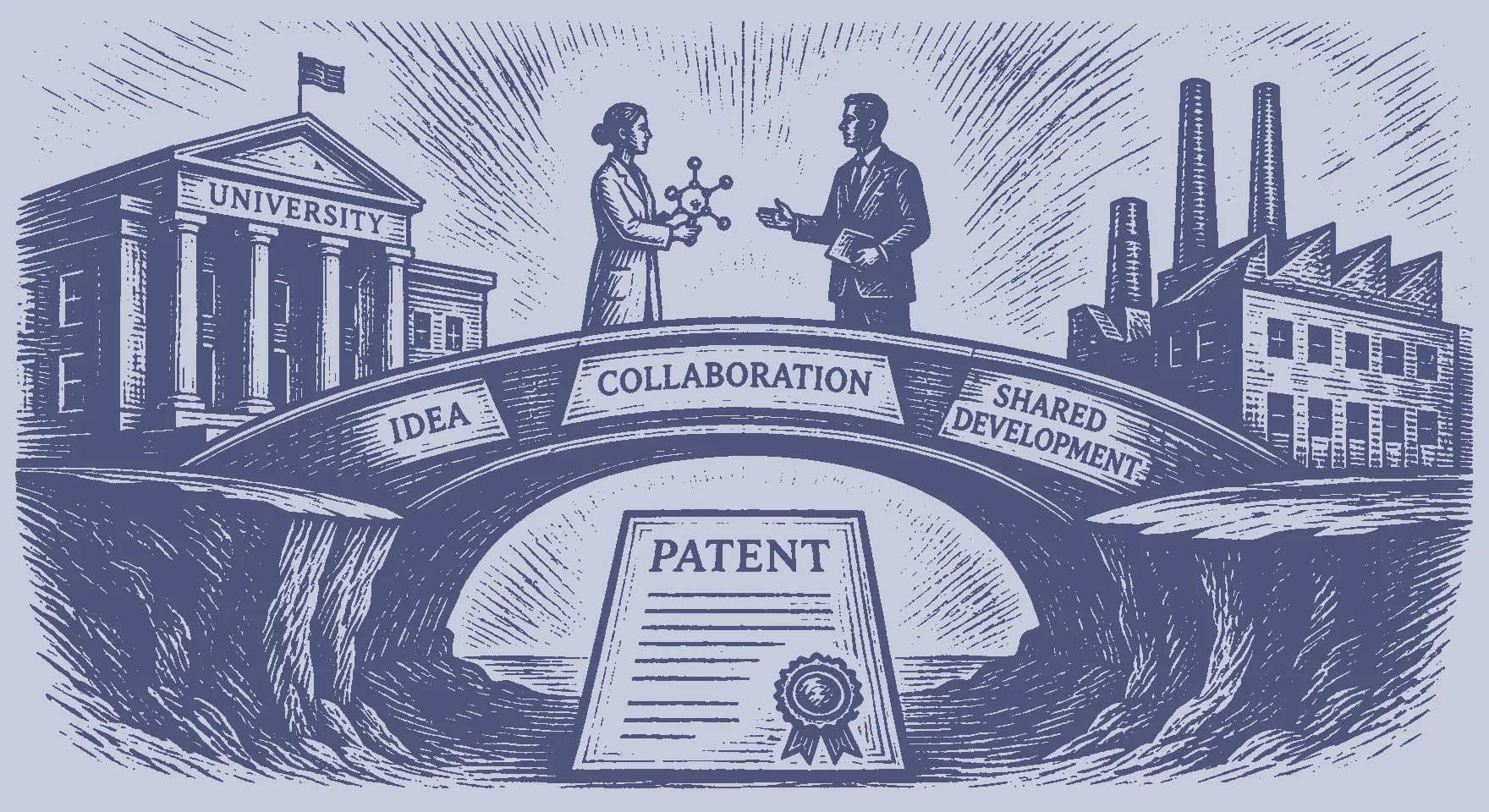
Connecting Industry & Academia
Blogs
Beyond Contact Management: Why Research Commercialization Needs a Smarter CRM Strategy
July 23, 2026
•
xx
MIN READ
Universities don't struggle with a lack of relationships. They struggle with making sense of them.
Every technology transfer office, corporate engagement team, research development office, and advancement department is managing hundreds or even thousands of interactions with companies, investors, faculty, entrepreneurs, and funding organizations. Yet many institutions still rely on CRMs built to store contacts instead of helping teams build strategic partnerships.
As research commercialization becomes increasingly collaborative and data-driven, traditional CRM systems are falling behind.
The Problem with Traditional CRMs
Most CRM platforms were designed for sales teams. Their purpose is simple: track prospects, log activities, and move opportunities through a pipeline.
University innovation ecosystems work differently.
Commercialization isn't a linear sales process. A single company might:
- Sponsor research in one department
- License technology from another
- Recruit students on campus
- Employ alumni
- Donate through advancement
- Participate in an accelerator or innovation program
These relationships rarely live in one place. Instead, they're scattered across spreadsheets, inboxes, disconnected CRMs, and individual staff knowledge.
When relationship intelligence is fragmented, opportunities are missed.
Commercialization Depends on Context
The most valuable question isn't "Who is this company?"
It's "How is our institution already connected to them?"
Before reaching out to a potential licensing partner, teams should know:
- Which faculty members have existing relationships
- Previous meetings across departments
- Past sponsored research agreements
- Licensing history
- Alumni connections
- Corporate giving activity
- Existing collaborations underway
Without this context, outreach becomes slower, less personalized, and less likely to succeed.
With it, every conversation starts from a position of strength.
Relationship Intelligence Creates Better Decisions
Research commercialization requires dozens of strategic decisions every week.
Which companies are the best licensing candidates?
Who should we introduce this faculty member to?
Which organizations are already engaged elsewhere across campus?
Where should our business development team focus next?
A modern CRM should answer these questions automatically, not require hours of manual research.
Instead of simply recording activity, the platform should surface opportunities, identify hidden connections, and recommend the next best action.
That's the difference between managing contacts and managing relationships.
AI Is Changing the Role of the CRM
Artificial intelligence is transforming commercialization workflows, but its impact depends on the quality of the underlying data.
If institutional knowledge lives in disconnected systems, AI has limited context to work with.
When relationship data, engagement history, market intelligence, and commercialization activity are connected, AI becomes significantly more valuable. Teams can identify partnership opportunities faster, prioritize outreach more effectively, and make better-informed decisions without adding administrative work.
The future of CRM isn't about replacing relationship managers.
It's about giving them the intelligence they need to spend more time building partnerships and less time searching for information.
A CRM Built for University Partnerships
Universities need more than another database.
They need a platform designed around how research commercialization actually happens.
That means connecting people, technologies, companies, projects, funding opportunities, and institutional knowledge into a single ecosystem that helps every team make smarter decisions.
When relationship intelligence becomes accessible across the institution, commercialization accelerates naturally. Teams collaborate more effectively, outreach becomes more strategic, and opportunities that once remained hidden become visible.
The institutions leading the next decade of innovation won't simply have more contacts.
They'll have a better understanding of their relationships.
Ready to Modernize Your Commercialization Strategy?
If your team is still using a CRM built for traditional sales instead of university partnerships, it may be time for a different approach.
Book a personalized demo with FirstIgnite to see how a CRM purpose-built for higher education helps you uncover existing relationships, coordinate engagement across campus, and identify new commercialization opportunities with AI-powered relationship intelligence.
Case Studies
See how universities are using AI Agents to automate industry outreach, schedule meetings in days, and scale partnerships without manual effort.
Case Study
The University of Bristol Case Study
The University of Bristol Builds Proactive Industry Partnerships with FirstIgnite
July 15, 2026
•
xx
MIN READ
Challenges
With increasing pressure to diversify research funding and demonstrate impact, the University of Bristol needed a better way to connect researchers with industry. Existing engagement efforts relied heavily on established networks, making it difficult to consistently identify new partnership opportunities and engage academics in commercialization.
Solutions
Using FirstIgnite, the university identifies companies aligned with faculty research and introduces academics to new commercial opportunities. The platform supports conversations with researchers by showcasing relevant partners and markets while helping engagement teams discover organizations beyond their existing networks.
Outcomes
FirstIgnite has helped the University of Bristol build a more proactive approach to industry engagement. Researchers are participating in more commercialization conversations, new industry connections are being established, and the university has secured letters of support from commercial partners while expanding opportunities for future collaboration.
Proactive Industry Engagement
By helping identify the right companies at the right time, FirstIgnite enables the University of Bristol to engage industry more strategically. The platform supports stronger researcher engagement, expands partnership opportunities, and helps the university build a scalable pipeline of industry relationships that support long-term research impact.
.png)
Case Study
The University of Maine Case Study
The University of Maine Accelerates Technology Commercialization Outreach with FirstIgnite
July 7, 2026
•
xx
MIN READ
Challenges
The University of Maine needed a more systematic way to manage industry outreach. Previous efforts relied on spreadsheets and manual research, making it difficult to identify aligned companies, reach decision-makers, and organize outreach by technology or research focus.
Solutions
With FirstIgnite, the university identifies relevant companies and contacts more efficiently. Using Company Search, People Search, and Autopilot, the team runs structured outreach campaigns by technology or portfolio area while reducing manual research time.
Outcomes
Through FirstIgnite, the University of Maine continues to streamline commercialization outreach across multiple active campaigns. For individual technologies and research focus areas, outreach efforts typically generate approximately 5–10 industry meetings and NDAs per campaign, helping build a consistent pipeline of engaged industry partners. Licensing and sponsored research agreements are actively progressing as conversations advance.
Scaled Commercialization Outreach
By streamlining company discovery and contact identification, the university expands outreach across multiple technologies and areas of expertise while saving significant time. The platform also provides a centralized, project-based workflow that makes it easier to organize campaigns, track engagement, and manage ongoing industry relationships.
.png)
Case Study
Technical University of Denmark Case Study
DTU Biosustain at the Technical University of Denmark Accelerates Licensing and Collaborations with AI
July 1, 2026
•
xx
MIN READ
Challenges
DTU Biosustain sought to increase the visibility of its diverse technologies for licensing and expand collaboration. However, identifying the right organizations and maintaining consistent engagement required significant time and manual effort. Without a streamlined process, efficiently connecting with companies interested in specific technologies was difficult to sustain at scale.
Solutions
Using FirstIgnite’s AI platform, DTU Biosustain launched targeted campaigns that rapidly connected its technologies with relevant companies for licensing/collaborations, streamlining outreach and enabling focus on both existing and new high-potential partners.
Outcomes
Accelerated Industry Engagement
DTU Biosustain established an average of one to two new discussions per technology each month, significantly increasing outreach efficiency and expanding its partner pipeline.
Ongoing Collaboration Opportunities
Through FirstIgnite’s campaigns, DTU Biosustain now maintains five active discussions with companies, several of which are progressing toward license deals and collaboration opportunities.
Efficient Communication at Scale
The AI-driven tools allowed DTU Biosustain to quickly connect with organizations interested in its research and technologies, saving time and effort across teams while enhancing communication with industry.
Webinars
See how universities are using AI Agents to automate industry outreach, schedule meetings in days, and scale partnerships without manual effort.
Past
Framework for Building Research Marketing Campaigns with AI
Join FirstIgnite for an engaging live Q&A session featuring Andy Rankin, Marketing Manager at Idaho National Laboratory (INL), as he shares insights into successful outbound marketing strategies.
May 1, 2026
Join FirstIgnite for an engaging live Q&A session featuring Andy Rankin, Marketing Manager at Idaho National Laboratory (INL), as he shares insights into successful outbound marketing strategies.
What to Expect:
Andy’s Marketing Journey – How he transitioned into tech transfer marketing and his role at INL.
INL’s Outbound Marketing Success – Real-world examples of impactful campaigns, including challenges, AI integration, and key success metrics.
A Practical Marketing Framework – A step-by-step guide to building a repeatable and effective marketing campaign.
Live Q&A – Get your questions answered directly by Andy in an interactive discussion.
Whether you're in marketing, tech transfer, commercialization, or any university department focused on industry engagement, this session will provide actionable strategies to enhance your outreach efforts. Don’t miss this opportunity to learn from INL’s marketing expertise and apply these best practices to your own work!
Past
Establishing a Successful Industrial Advisory Board
Join Kelli Delfosse, Director of Industry Relations at the McKelvey School of Engineering, Washington University in St. Louis, to learn how Industrial Advisory Boards can drive transformative results. Discover how WashU's College of Engineering leveraged its board to secure the largest single grant in the university's history. This session will provide actionable insights on forming a board, recruiting the right members, keeping them engaged, and achieving impactful outcomes—all within 6-9 months. Don’t miss this opportunity to learn proven strategies for fostering industry collaboration and unlocking new funding opportunities!
May 1, 2026
Join Kelli Delfosse, Director of Industry Relations at the McKelvey School of Engineering, Washington University in St. Louis, to learn how Industrial Advisory Boards can drive transformative results. Discover how WashU's College of Engineering leveraged its board to secure the largest single grant in the university's history. This session will provide actionable insights on forming a board, recruiting the right members, keeping them engaged, and achieving impactful outcomes—all within 6-9 months. Don’t miss this opportunity to learn proven strategies for fostering industry collaboration and unlocking new funding opportunities!
News & Press Releases
See how universities are using AI Agents to automate industry outreach, schedule meetings in days, and scale partnerships without manual effort.
News & Press
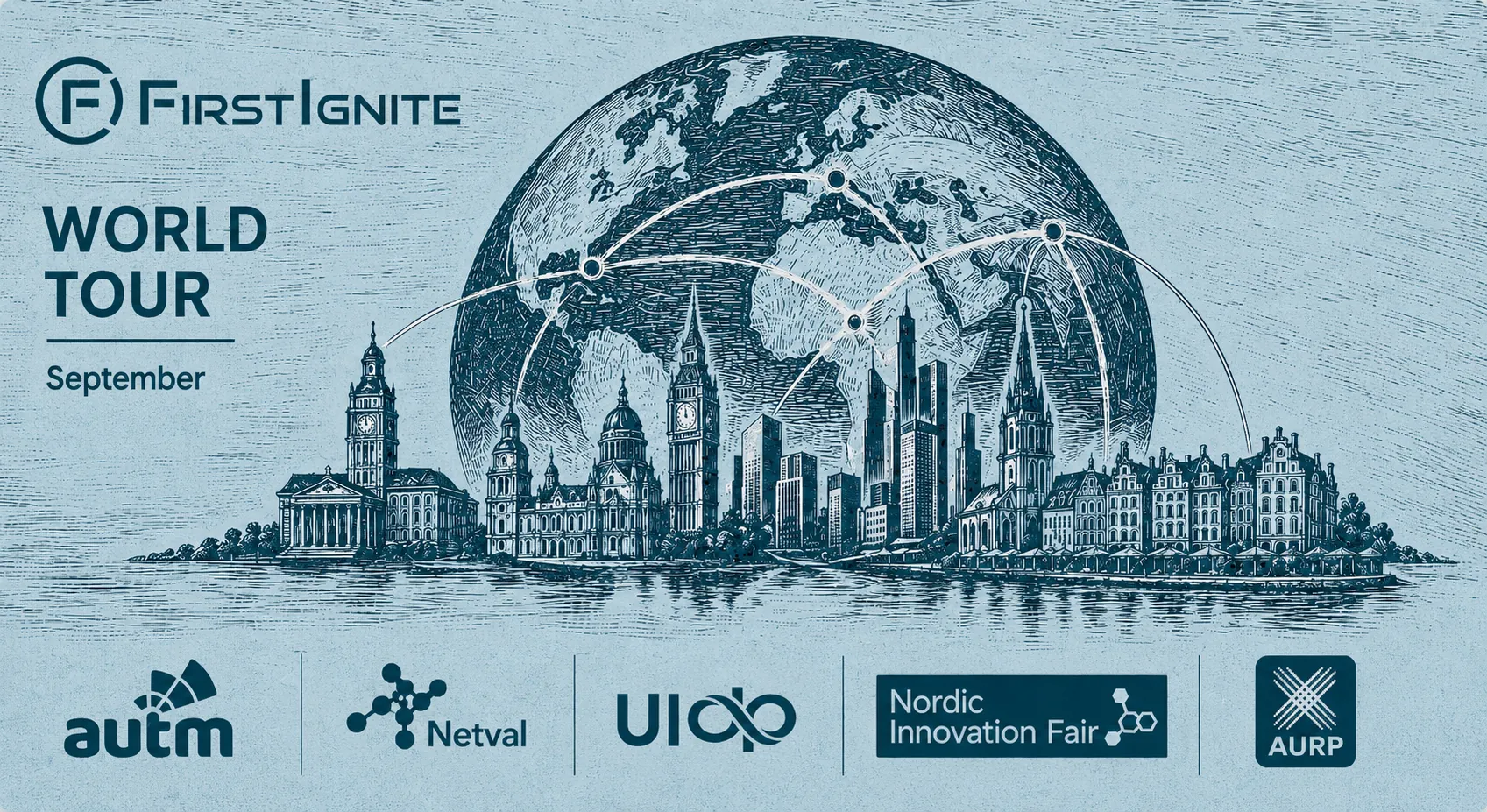
FirstIgnite World Tour: Connecting Innovation Ecosystems Across Five Cities This September
5 cities. 1 month. Countless opportunities to connect.
September 1, 2026
•
xx
MIN READ
This September, the FirstIgnite team is taking the FirstIgnite World Tour on the road, and into the skies, as we travel across the U.S. and Europe to connect with the people and organizations shaping the future of research, innovation, and university-industry partnerships.
From Charlotte to Brescia, Denver, Copenhagen, and Dallas, our team will be joining leading events across the innovation ecosystem to exchange ideas, build relationships, and explore new opportunities for collaboration.
For us, these events are about more than simply showing up. They're an opportunity to listen, learn, and connect with the people working every day to move research and innovation forward.
Charlotte | AUTM University
September 15–17 | Charlotte, North Carolina
Our World Tour kicks off in Charlotte at AUTM University, bringing together technology transfer and innovation professionals for education, networking, and professional development.
The event features programming across areas including agreements and finance, compliance, operations, software, startups, and more, making it an important gathering for professionals working to advance research commercialization and technology transfer.
We're looking forward to connecting with the AUTM community and discussing how technology and AI can help universities identify opportunities, strengthen partnerships, and accelerate commercialization.
Brescia | Netval
September 16–18 | Brescia, Italy
From Charlotte, we'll head across the Atlantic to Brescia, Italy, for Netval.
As we continue expanding our conversations across the European innovation ecosystem, this stop will be an opportunity to connect with university and research professionals working across technology transfer, knowledge exchange, and commercialization.
We're excited to meet with leaders from across Italy and learn more about the opportunities and challenges shaping European research and innovation.
Denver | UIDP
September 22–24 | Denver, Colorado
Next up is Denver for UIDP, where university and industry leaders come together to advance research collaborations and partnerships.
University industry collaboration is at the heart of what we do at FirstIgnite, and we're excited to be part of the conversations happening around how universities and companies can create stronger, more productive pathways for collaboration.
We'll be looking forward to connecting with existing partners, meeting new organizations, and sharing how FirstIgnite helps universities identify and develop meaningful industry opportunities.
Copenhagen | Nordic Innovation
September 28–29 | Copenhagen, Denmark
Our European journey continues in Copenhagen with Nordic Innovation.
The Nordic region has built a strong reputation for innovation and collaboration, making Copenhagen an exciting stop on the FirstIgnite World Tour.
We're looking forward to connecting with organizations across the Nordic innovation ecosystem and exploring how stronger connections between research, industry, and commercialization can help promising ideas move further, faster.
Dallas | AURP International Conference
September 29–October 1 | Dallas, Texas
We'll close out the World Tour in Dallas at the AURP International Conference, hosted at Pegasus Park.
The conference will bring together leaders from universities, research parks, innovation districts, technology hubs, industry, and economic development organizations to explore the future of innovation ecosystems.
One Month. Five Cities. One Shared Mission.
While each stop on the FirstIgnite World Tour brings together a different community, they all share a common goal: turning research and innovation into meaningful impact.
That requires strong relationships between universities, companies, researchers, investors, technology leaders, and the broader innovation ecosystem.
That's why we're excited to spend September meeting the people doing this work firsthand.
Whether you're attending one of these events, already working with FirstIgnite, or simply interested in the future of research commercialization and university-industry partnerships, we'd love to connect.
Will you be at one of our stops? Come find the FirstIgnite team and say hello. We're looking forward to a month of conversations, collaboration, and new connections across the innovation ecosystem.
See you on the road!
News & Press
Microsoft and BlackRock Unite to Shape the $100 Billion Future of AI Infrastructure
Artificial intelligence (AI) has become the driving force behind innovation across industries, from healthcare and finance to education and logistics. But cutting-edge AI models demand cutting-edge infrastructure—a challenge the Global Artificial Intelligence Infrastructure Investment Partnership (GAIIP) is determined to tackle. Formed by industry titans such as Microsoft, BlackRock, Global Infrastructure Partners (GIP), and MGX, this partnership plans to raise up to $100 billion to develop the data centers and energy networks needed to power AI innovation sustainably.
February 6, 2025
•
xx
MIN READ
Artificial intelligence (AI) has become the driving force behind innovation across industries, from healthcare and finance to education and logistics. But cutting-edge AI models demand cutting-edge infrastructure—a challenge the Global Artificial Intelligence Infrastructure Investment Partnership (GAIIP) is determined to tackle. Formed by industry titans such as Microsoft, BlackRock, Global Infrastructure Partners (GIP), and MGX, this partnership plans to raise up to $100 billion to develop the data centers and energy networks needed to power AI innovation sustainably.
Here’s what this unprecedented collaboration means for the world of AI, business, and economic growth—and why every professional eyeing the AI revolution should take note.
The $100 Billion AI Vision is Taking Shape
At the core of this initiative lies an ambitious vision: to address the skyrocketing demand for AI infrastructure by building data centers capable of supporting generative AI models and the energy grids to power them.
From ChatGPT to industry-specific AI models, running advanced algorithms requires infrastructure that supports high-performance GPUs (graphics processing units). However, complex AI workflows consume significant power, creating challenges for both data center construction and energy sustainability.
The GAIIP partnership aligns financial and technological powerhouses, pooling resources to overcome these constraints. The group intends to initially raise $30 billion in capital, with plans to scale to $100 billion, including contributions from debt financing. The dual focus is ambitious yet critical:
- Build AI Data Centers: Facilities equipped to handle the demand for AI workloads powered by Nvidia GPUs and beyond.
- Expand Energy Infrastructure: Sustainable and robust power grids to support AI innovations without compromising the environment.
Microsoft’s CEO, Satya Nadella, calls this “building the infrastructure of the future,” emphasizing that collaboration between financial and tech industries is key to scaling these solutions efficiently and sustainably.
Why This Matters for AI-Driven Businesses
Unleashing Innovation with Scalable Infrastructure
Data centers capable of hosting the AI tools of tomorrow will directly impact businesses and organizations globally. Generative AI—like OpenAI’s ChatGPT, hosted on Microsoft Azure—has opened new doors, from automating customer service to accelerating medical research. But as businesses adopt AI more widely, reliable and sustainable infrastructure is essential to keep pace with growing demands.
Startups and enterprises stand to benefit from reduced bottlenecks in accessing cutting-edge AI hardware, potentially eliminating barriers to adopting next-gen technologies like large language models (LLMs) and computer vision.
Sustainability at the Heart of Growth
Environmental sustainability has become non-negotiable for enterprises entering the AI space. High-power data centers pose an energy consumption challenge, with many entities struggling to balance innovation with carbon footprints.
GAIIP commits to integrating sustainable considerations into AI infrastructure. This initiative seeks to support increasing demand while aligning with global environmental goals, offering businesses a path to greener growth.
A Team-Up Worth Watching
This endeavor showcases a stellar lineup of key players in both the tech and financial industries.
- Microsoft brings unparalleled expertise in cloud computing and generative AI. Azure—its cloud platform hosting OpenAI models—positions Microsoft to address AI infrastructure demands directly. Microsoft’s $19 billion fiscal commitment to capital expenditures in Q4 emphasizes its dedication to tackling infrastructure constraints.
- BlackRock, as a leading investment management firm, connects the GAIIP project with extensive global financial opportunities. BlackRock’s pending acquisition of Global Infrastructure Partners further underscores its commitment to strategic investments in critical infrastructure.
- MGX, an emerging player backed by distinguished entities like Abu Dhabi's Mubadala and G42, will bring innovation to enhance collaboration across industries and geographies.
Together, these organizations form a coalition to steer AI development for the decades to come.
What’s Next for AI Infrastructure?
While the GAIIP initiative is groundbreaking, it’s not happening in isolation. Other stakeholders and players in AI continue striving toward similar goals—showing just how vital advanced infrastructure has become to staying competitive in this tech-driven era.
If your business isn’t already exploring how AI can impact or enhance operations, now is the time to start. Equipped with robust infrastructure like the data centers and energy networks envisioned by initiatives such as GAIIP, AI will become more accessible, reliable, and impactful for companies of all sizes.
How FirstIgnite Enhances Your AI Journey
Integrating AI into your business strategy doesn’t start with a $100 billion data center. It starts with a vision—and the right tools. FirstIgnite leverages AI to accelerate business partnerships, research matchmaking, and market entry strategies. Imagine having AI-powered tools work for you, connecting innovation with actionable results.
Here’s how FirstIgnite simplifies expanding opportunities with AI:
- Identify High-Value Partners: Use advanced algorithms to find the right partnerships in record time.
- Generate Market Insights on Demand: Execute comprehensive market research campaigns efficiently and effectively.
- Innovate Communication Tactics: Refine how you pitch ideas and explain innovations to ensure they resonate clearly and effectively.
From AI startups to global enterprises, FirstIgnite is your secret weapon for navigating the new normal of AI-driven business.
Power Your Growth in the AI Era
The Global Artificial Intelligence Infrastructure Investment Partnership is setting the stage for an AI-powered economic revolution. Businesses that adapt early will hold a critical advantage, leveraging technology to innovate faster and operate more sustainably.
Whether developing new products, running market research, or finding like-minded partners, tools like FirstIgnite position your organization at the heart of what’s next.
Get ahead of AI-driven solutions and see how FirstIgnite can propel your growth. Click here to get started today!
News & Press
Exploring the Latest Biometric Technology Advancements in 2025
Biometric technology has taken center stage in the tech world, revolutionizing how we interact with systems, devices, and each other. From unlocking smartphones to securing sensitive data, biometrics has proven to be a critical solution for enhanced security and convenience. But 2025 has brought exciting advancements, pushing the boundaries of innovation and application.
December 9, 2024
•
xx
MIN READ
Biometric technology has taken center stage in the tech world, revolutionizing how we interact with systems, devices, and each other. From unlocking smartphones to securing sensitive data, biometrics has proven to be a critical solution for enhanced security and convenience. But 2025 has brought exciting advancements, pushing the boundaries of innovation and application.
What is Biometric Technology?
Biometric technology is the science of identifying and verifying individuals based on their physical or behavioral traits. These include fingerprint patterns, facial features, iris structure, voice recognition, and even walking style or typing rhythm.
The relevance of biometric technology lies in its ability to provide:
- Enhanced security by making identity theft significantly harder.
- Seamless user experiences by replacing passwords and PIN codes.
- Accessibility improvements for individuals with disabilities.
By 2025, biometrics has evolved from a convenient security tool into a critical technology fueling innovation in nearly every industry.
Latest Biometric Innovations in 2025
The biometrics field in 2025 highlights remarkable advancements like deeper integration with emerging tech and unprecedented precision. Here are some of the key innovations making headlines:
1. Advanced Facial Recognition
AI-powered facial recognition systems can now detect minute changes in facial expression, making them invaluable for security, emotion detection, and customer engagement. New algorithms can even recognize individuals wearing masks or other obstructions.
2. Next-Gen Fingerprint Scanning
Ultrasound-based fingerprint scanning has become a game-changer for touchless authentication, making systems faster and cleaner. This technology also improves accuracy by reading deeper into the skin’s layers, reducing misreads.
3. Quantum Iris Recognition
Iris recognition, already a highly secure biometric, now employs quantum computing to instantly scan and verify identities across massive databases, cutting authentication times in half.
4. Behavioral Biometrics
Typing dynamics, gait analysis, and even eye movement tracking are now employed for cybersecurity, detecting suspicious behavior in real-time to prevent fraud.
5. Heartbeat Biometrics
Scientists have developed systems using low-energy radar to track unique cardiac rhythms, providing a contactless and highly secure authentication method.
Applications Across Industries
Biometric technology transcends industries, driving growth, efficiency, and innovation. In healthcare, iris and facial scans enhance patient identification and reduce record errors, while behavioral biometrics safeguard sensitive data. In finance, biometric authentication prevents fraud and simplifies banking with secure, seamless access. Education benefits from facial recognition for secure assessments and emotion recognition systems that tailor learning experiences. Security and surveillance use facial recognition for law enforcement and border control, while behavioral biometrics enhance smart city solutions. In retail, facial recognition enables personalized shopping experiences, helping businesses cater to individual customer preferences.
Universities Shaping Biometric Innovation
Purdue University’s MS in Technology Leadership and Innovation offers a biometrics concentration, equipping students with expertise in imaging, matching, and privacy, supported by research at the International Center for Biometrics Research. Michigan State University, through the $12 million IARPA-funded BRIAR program, developed the FarSight system, which uses drones and multimodal biometric recognition to identify individuals at long ranges. These programs exemplify how universities lead advancements and train future experts in biometrics.
The Future of Biometric Technology
The horizon for biometric technology is vast and exciting. Here’s what lies ahead:
- AI-Powered Multimodal Systems: Combining multiple biometrics (e.g., face, iris, and heartbeat) for near-perfect authentication.
- Biometric Blockchain Integration: Storing biometric data securely on blockchain ledgers for tamper-proof solutions.
- Global Ethical Standards: The industry is moving toward creating universal guidelines that ensure fairness, privacy, and accessibility in biometric applications.
Final Thoughts on Biometrics in 2025
Biometric technology is no longer just about authentication—it’s becoming a catalyst for innovation, efficiency, and security. By exploring these latest advancements in 2025, businesses and universities alike can stay ahead of the curve.